
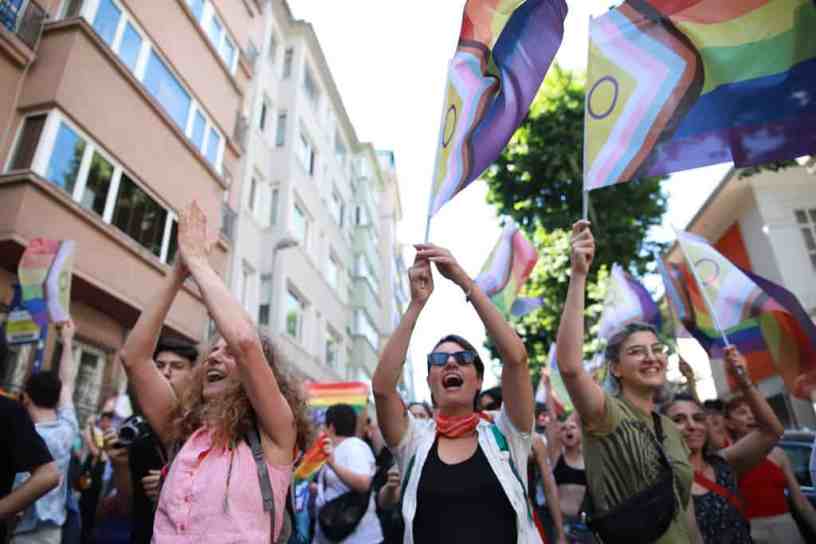
We have left another Pride Month behind, another month filled with bad news regarding the rights and freedoms of LGBTI+ individuals in Turkey. An information note prepared by the Documentation Center of the Human Rights Foundation of Turkey (TİHV) shed light on the human rights violations targeting events that were planned to take place and the participants between June 2 and 27, 2023, as part of Pride Month. Throughout each day of the month, we encountered different bans. Another ban was added to the long list of Pride Marches that have been prohibited since 2015 based on various excuses by the Turkish government.
The increasing oppression and hostility towards LGBTI+ individuals in Turkey do not have a single source; rather, it is a cycle that feeds and transforms itself from the government to the majority, from the top to the bottom. It is possible to see this LGBTI+ hostility, which is fueled by the government, as part of a global animosity along with its cultural dynamics. In this piece, we will explore how Turkey is a part of this global LGBTI+ antagonism and analyze the methods of resistance and resilience of the LGBTI+ community.
Anti-LGBTI+ Propaganda in Turkey: A Dangerous Trend
The prevalence of anti-LGBTI+ propaganda in Turkey, often associated with conservative and Islamist political parties, has fueled a disturbing discourse against gender and equality. This propaganda seeks to counter what is perceived as a Western agenda promoting gender equality and rights. Episode 12 of Mor Çizgi, which sheds light on the local and global anti-gender movement, discusses how the Turkish government aligns with the global anti-gender movement through their anti-LGBTI+ propaganda. However, it is crucial to note that same-sex marriages, same-sex parenting, and sexual education in public schools, which are considered threats to the family by anti-gender movement supporters in Europe and the US, are not legally or socially accepted in Turkey. Despite this, since 2015, rigid anti-LGBTI+ propaganda has led to a rise in intolerance and hostility towards the LGBTI+ community, resulting in discrimination, harassment, and hate crimes.
This harmful propaganda has spread through various mediums, including mainstream media outlets, political speeches, and social media platforms, serving to dehumanize and cast the LGBTI+ community as villains. Turkey has long struggled with discrimination against the LGBTI+ community, but the recent surge in propaganda has created an even more dangerous and oppressive environment, further marginalizing an already vulnerable group.
Media and Social Media: Fuelling Fear and Stereotypes
One prominent example of anti-LGBTI+ propaganda in Turkey is the increased negative coverage of LGBTI+ issues in the media. Portraying LGBTI+ individuals as deviant, immoral, and a threat to Turkish culture and values, this type of coverage stokes fear and hatred towards the community, perpetuating negative stereotypes. Moreover, the media often portrays the LGBTI+ community as a foreign imposition and a danger to traditional family structures, leading to a loss of public support. As a result of this hostile propaganda, LGBTI+ individuals have reported facing heightened harassment and abuse from both the police and society. Widespread discrimination against the LGBTI+ community is evident in areas such as employment, healthcare, and housing. As emphasized by KaosGL columnist and LGBTI+ activist and lawyer Yasemin Öz, the guest of Episode 9 of Purple Line, where we discuss the discrimination, bans and rights violations faced by LGBTI+s in Turkey, LGBTI+s have existed in these lands for centuries. On the other hand, it is possible to say that LGBTI+ hostility, one of the main dynamics of the rising anti-gender movement in the world, has been imported by the government without any basis.
Social media platforms have also become breeding grounds for the spread of anti-LGBTI+ propaganda in Turkey. Many users propagate discriminatory messages, perpetuating negative stereotypes and encouraging hate crimes. Tragically, Turkish authorities have failed to effectively address hate speech and online harassment targeting the LGBTI+ community, further enabling these acts of violence and intimidation.
Political Discourse and Conservative Mobilization
Political discourse serves as another medium through which the LGBTI+ community is dehumanized. Many politicians use rallies and speeches to equate same-sex relationships with paedophilia, bestiality, and even terrorism. This rhetoric legitimizes hate crimes and discrimination against the LGBTI+ community, creating an increasingly hostile living environment.
An alarming recent example of such discourse occurred when Recep Tayyip Erdoğan, who was re-elected as the President with 52.18% of the votes on May 28, openly expressed his hostility towards LGBTI+ individuals in his first post-election speech. He claimed that opposition parties were “LGBTI+ supporters” as if it is something disgraceful while emphasizing that his side valued the sanctity of the family. During the election campaigns, Süleyman Soylu, former Minister of Interior and candidate from the ruling party, used fear-mongering tactics by portraying the legalization of same-sex marriages as a “nightmare scenario” if the ruling party were to lose the election.
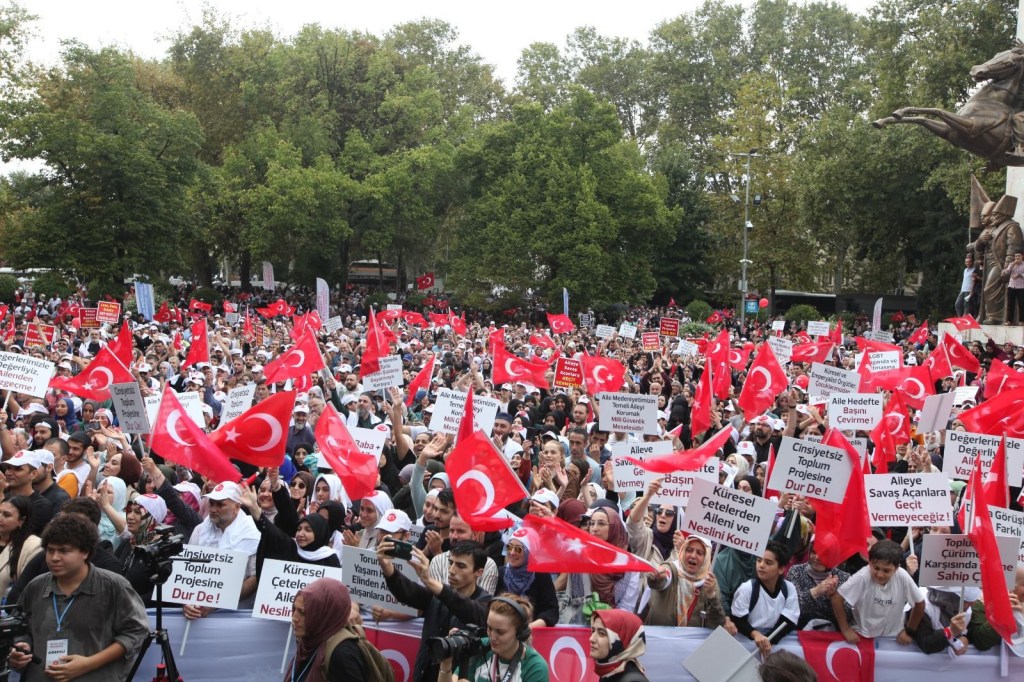
This hatred and anger coming down from the top is also reflected at the grassroots. One glaring example of this was the organization of an event known as the “Grand Family Gathering” in September 2022, which was deemed as a response to what they perceived as an “imposition” of LGBTI+ values. Remarkably, the majority of march participants were conservatives, religious and even cult members, and their slogans and banners echoed those of the global anti-gender movement.
Concrete and Devastating Consequences of Anti-LGBTI+ Propaganda
The detrimental impact of anti-LGBTI+ propaganda has been far-reaching and palpable. Perhaps the most crucial repercussion of this relentless propaganda campaign is the direct threat it poses to the very lives of LGBTI+ individuals. An undeniable manifestation of this danger was Turkey’s sudden withdrawal from the Istanbul Convention in 2021, as enacted through a Presidential Decree. Alarmingly, the justification behind this decision was the Convention’s supposed promotion of “gender equality” and the perception that it contributed to the “normalization and proliferation of homosexuality”.
The statement of Turkey’s Presidential Directorate of Communications, published on March 21, 2021, stated that Turkey “is not the only country with serious concerns about the Istanbul Convention. Six members of the European Union (Bulgaria, Hungary, Czechia, Latvia, Lithuania, and Slovakia) did not ratify the Istanbul Convention. Poland has taken steps to withdraw from the Convention, citing an attempt by the LGBTI+ community to impose their ideas about gender on the entire society.” It is worth noting here that when we also consider the opposition to the Convention in Europe, the Istanbul Convention acts as a glue for governments gathered under the anti-gender movement, bringing opponents of gender equality closer together.
Additionally, the Turkish government has taken steps to ban LGBTQ+ events, stating that such events are a threat to public order and morality. This has only increased the hostility towards the LGBTI+ community in Turkey.
The government banned Pride Parade (which had been held annually since 2003) and all other events taken place during Pride Month since 2015. These bans have been justified on the grounds of security concerns, but it is only part of a larger effort to suppress the LGBT community. In 2016, the government cancelled an LGBT film festival in Ankara, citing “public safety and terrorism concerns.” The same year, police raided a transgender rights event in Istanbul and detained 15 people. In 2017, Turkish authorities banned all LGBT-related events in Ankara, citing “security concerns.”
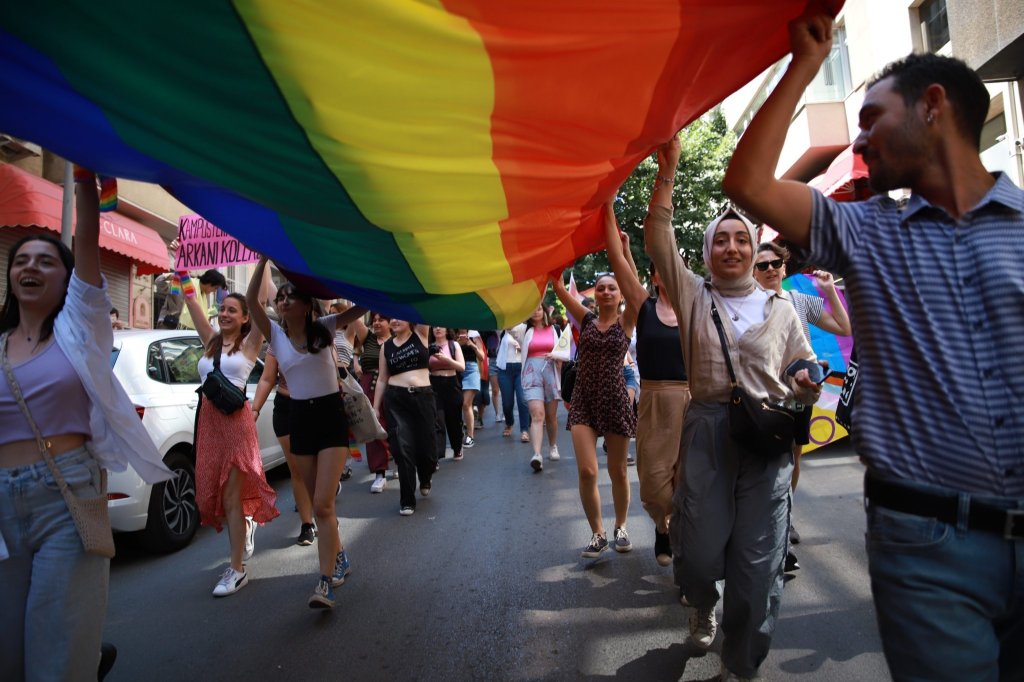
Last year, Pride Month was marred by a series of distressing events including 10 bans, 582 arrests, incidents of police torture in the streets, and attacks by Islamist gangs. Unfortunately, this year has had its own share of injustices. To exemplify, 113 individuals were arbitrarily arrested by the police after participating in the Istanbul LGBTI+ Pride March in Şişli on June 25th, and five of them now face the threat of deportation. The highly anticipated screening of the Pride film “Diren Ayol” was banned, and unjustly claimed to potentially incite public outrage and offend national conscience and human values.

The restrictions imposed on the screening of “Diren Ayol” not only deny individuals the freedom to express themselves but also overlook the powerful messages of resilience and acceptance that LGBT films often convey. Such bans hinder progress towards a more tolerant and understanding society. Moreover, the arbitrary arrests following the pride march only serve to perpetuate fear and inequality. By subjecting these individuals to potential deportation, their livelihoods and basic human rights are infringed upon. It is vital to recognize that everyone deserves equal protection under the law, regardless of their sexual orientation or gender identity. Nevertheless, the solidarity demonstrated by the LGBT community during the 21st Istanbul Pride March in Şişli showcases their determination to break down barriers and fight for their rights. Their resilience proves to the rest of society that progress can be achieved through unity and perseverance.
The Resilience of Turkey’s LGBTI+ Community in Countering Backlash
This piece addresses the significant challenges faced by Turkey’s LGBTI+ community, ranging from conservative societal attitudes to government policies and increasing discrimination. However, the community has devised key strategies and employed effective activism tactics to resist and counter this backlash. The following points highlight some of these strategies:
1. Strengthening Visibility and Advocacy: The LGBTI+ community in Turkey recognizes the importance of upholding visibility as a powerful tool to challenge prevailing stereotypes and prejudices. Committed activists and dedicated organizations have taken the lead by actively engaging in public demonstrations, rallies, and vibrant Pride events. By openly expressing their unique identities and asserting their fundamental rights, they have successfully raised societal awareness and fostered meaningful dialogues on sexual orientation and gender identity. To fight against stereotypes and discrimination, LGBTI+ activists in Turkey meticulously organize a diverse range of events, including workshops, film festivals, and art exhibitions. These events create invaluable spaces for dialogue and tirelessly raise awareness about the imperative issues related to LGBTI+ rights.
2. Community Building and Networking: Creating safe spaces within the community is vital for providing support and building resilience among individuals in the LGBTI+ community. By offering a sense of belonging, LGBTI+ organizations and support groups foster a strong network of individuals who stand united against discrimination. These networks serve as platforms for sharing experiences, seeking guidance, and collectively working towards change. Additionally, these organizations provide crucial support services such as counselling, healthcare access, and legal aid to community members. These initiatives aim to empower individuals, build resilience, and address the specific needs of LGBTI+ individuals facing discrimination and violence.
3. Coalition Building: LGBTI+ organizations in Turkey recognize the power of collaboration and actively form alliances with other human rights groups, feminist organizations, and activists. By building coalitions, they advocate for broader social justice causes and highlight the interconnectedness of different struggles. Through this collaboration, their voices become amplified, making a greater impact on the fight against discrimination.
4. Online Activism: In the face of a restrictive environment, online platforms play a crucial role in LGBTI+ activism in Turkey. Activists utilize social media, online campaigns, and digital platforms to share stories, educate the public, and mobilize support. This allows them to reach a wider audience and facilitate unfiltered communication, effectively raising awareness and generating support for their cause.
5. Legal Battles and Advocacy Initiatives: Turkey’s LGBTI+ community combats discrimination through legal means, leveraging the power of the judiciary to challenge biased policies and practices. Activists actively advocate for the creation and enforcement of inclusive laws that protect the rights of all citizens, regardless of their sexual orientation or gender identity. Additionally, legal support networks play a significant role in assisting individuals facing injustices, further bolstering the community’s fight for equality.
6. International Collaborations and Solidarity: Collaboration with international organizations and leveraging global support have been instrumental in helping Turkey’s LGBTI+ community build resilience and address challenges within a broader framework. By standing in solidarity with other marginalized groups, activists not only share experiences and tactics but also raise international awareness about the ongoing struggles faced by LGBTI+ individuals in Turkey. Additionally, they utilize international platforms to exert pressure on the Turkish government to comply with human rights standards and increase accountability.
These strategies and tactics collectively assist the LGBTI+ community in Turkey in countering backlash, raising awareness, and promoting acceptance while striving for legal protections and social change. In conclusion, Turkey’s LGBTI+ community demonstrates resilience and determination by strengthening visibility, engaging in community building, actively participating in legal battles, promoting education, and fostering international collaborations. Their unwavering endeavours serve as a noteworthy example of the importance of unity and dialogue in the face of adversity, inspiring other communities that strive for societal change.
 morcizgi.org